How Outpost VFX Rebuilt Ben the Killer Chimp for Primate in Just Three Months
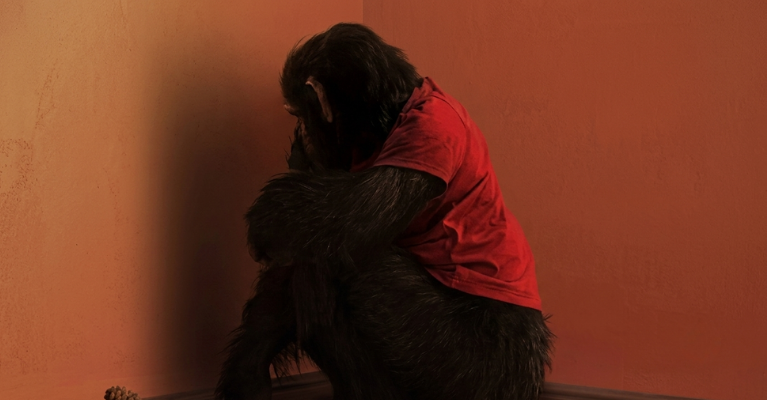
When MPC shut down during the production of Primate, the responsibility for completing the film’s visual effects shifted to Outpost VFX. With only three months to finish 104 VFX shots, the studio faced an intense challenge. Their biggest task was rebuilding Ben, the film’s terrifying killer chimpanzee, almost entirely from scratch while maintaining a believable and seamless on-screen performance.
Rebuilding Ben from the Ground Up
Although some work had already been completed before MPC’s closure, most of the original assets couldn’t be reused. The primary reason was that MPC and Outpost VFX relied on different production pipelines, and the tight deadline left little time to convert or transfer complex files between systems.
Instead of attempting a risky migration, Outpost chose to recreate nearly every digital asset. The artists spent considerable time studying real chimpanzee anatomy, facial structure, muscle movement, and behavioral references to ensure Ben looked authentic in every shot. Every facial expression, blink, and subtle movement was carefully crafted to preserve the realism expected from a close-up digital primate.
Blending Practical Effects with CGI
Rather than relying entirely on computer-generated imagery, Primate combined practical creature effects with digital enhancements.
Actor Miguel Torres Umba portrayed Ben on set while wearing a practical creature suit, giving the filmmakers realistic body movement, physical interaction, and lighting directly in camera.
Outpost VFX focused its CGI work primarily on enhancing Ben’s:
- Facial expressions
- Eyes and eye movement
- Mouth performance
- Emotional details and subtle facial animation
This hybrid approach allowed the digital enhancements to blend naturally with the practical performance, making it difficult for audiences to distinguish where the practical effects ended and CGI began.
The Biggest Technical Challenges
Creating a believable digital chimp required much more than simply modeling realistic fur and skin.
One of the team’s most demanding tasks was building an advanced facial rig capable of reproducing the complex expressions unique to chimpanzees. Unlike human facial animation, primate expressions involve different muscle structures and movement patterns that needed to feel both natural and unsettling for the horror film.
Another significant challenge involved Ben’s fur. Dense, realistic fur is notoriously difficult to render and composite, especially when integrating CG elements into practical footage.
To streamline the compositing process, Outpost rendered Ben in multiple separate passes, including:
- Beauty pass
- Fur layers
- Shadow passes
- Lighting contributions
- Additional compositing elements
Rendering the character in layered passes gave compositors greater flexibility to fine-tune lighting, depth, and integration while ensuring the CGI remained invisible within the live-action photography.
Delivering Under Extreme Pressure
Despite inheriting the project midway through production, Outpost VFX successfully delivered all 104 visual effects shots within an incredibly short three-month schedule. By rebuilding Ben from scratch, carefully studying real chimpanzee behavior, and combining practical creature work with sophisticated CGI enhancements, the team transformed a difficult production setback into a convincing on-screen creature that seamlessly fit the film.
Outpost VFX’s work on Primate demonstrates how experienced visual effects artists can overcome major production challenges through smart pipeline decisions, detailed creature research, and close integration between practical effects and CGI. Rebuilding an entire digital character under such a demanding deadline is no small achievement, making Ben one of the project’s most impressive technical accomplishments.